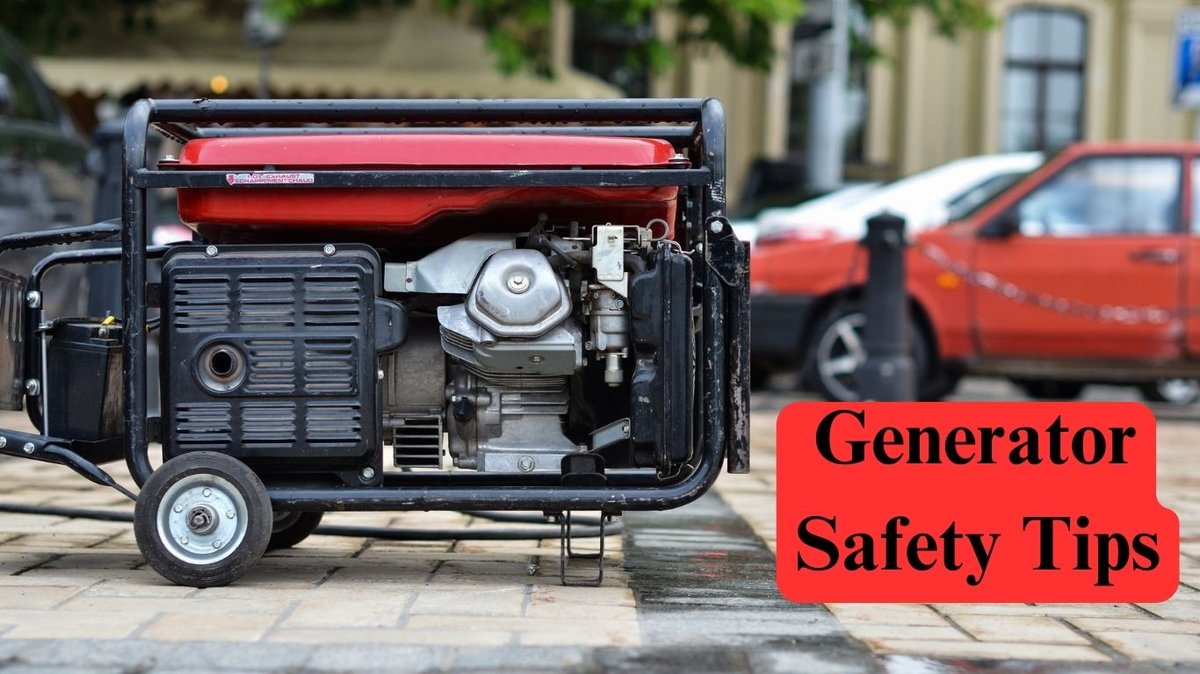
When the grid goes dark, a standby generator isn't just a convenience—it's the silent sentinel of your operations, ensuring continuity when primary power fails. But this critical asset demands respect, diligent care, and a clear understanding of Generator Safety & Operational Best Practices. Getting it right means the difference between seamless transition and potential disaster, safeguarding your people, property, and productivity.
This guide dives deep into what it takes to operate your standby power system with unwavering reliability and safety. From rigorous compliance to everyday maintenance, we'll equip you with the knowledge to manage your generator not just effectively, but masterfully.
At a Glance: Key Takeaways for Generator Safety & Reliability
- Outdoor Operation is Non-Negotiable: Always run generators outdoors, far from windows and vents, to prevent lethal carbon monoxide buildup.
- Compliance is King: Adhere strictly to OSHA, NFPA 110, NEC, EPA, and local codes for installation, operation, and emissions.
- Grounding is Paramount: Ensure your generator frame is properly grounded according to National Electrical Code requirements.
- Maintenance Prevents Failure: Implement a robust preventive and predictive maintenance program, following manufacturer guidelines and logging all activities.
- Refuel Safely: Always shut down and cool the generator completely before refueling; store fuel in approved, secondary containment away from ignition sources.
- Qualified Personnel Only: Installation, repair, and maintenance should only be performed by trained, qualified professionals.
- Understand Your System: Know your generator's components, how it works, and its specific operational parameters.
- Plan for Emergencies: Have Class B fire extinguishers accessible and clear procedures for troubleshooting or malfunctions.
The Unseen Powerhouse: Understanding Your Standby Generator
Imagine a factory floor where precision heat treatment dictates product quality. A sudden power fluctuation isn't just an inconvenience; it can scrap entire batches, costing thousands in materials and labor. This is where a standby generator earns its keep. It's a self-contained system, designed to kick in automatically the moment grid power falters, thanks to an automatic transfer switch (ATS) that seamlessly shifts your facility's power source.
Unlike "emergency generators" that specifically serve code-required life-health-safety loads (Level 1 according to NFPA 110), this guide focuses on commercial "standby" systems—often considered Level 2—that protect broader business operations. These units are not built for indefinite run times but rather for reliable, temporary power during outages.
A Closer Look at the Core Components:
At its heart, a standby generator is an intricate ballet of mechanics and electronics:
- Engine: The powerhouse, converting fuel's chemical energy into mechanical energy.
- Electric Generator (Alternator): Transforms that mechanical energy into usable electrical power.
- Fuel System: Tank, piping, pump, filters, and injectors managing diesel, propane, or natural gas.
- Lubrication System: Keeps the engine running smoothly.
- Cooling System: Prevents overheating with a pump, fluid, and radiator fan.
- Starting System: Typically batteries, or compressed air for larger units, to ignite the engine.
- Exhaust System: Directs combustion gases safely away.
- Air Intake System: Filters air for combustion.
- Control Panel & System Controller: The brain, monitoring and managing all operational parameters, from start-up to shutdown.
- Batteries & Charger: Provide initial cranking power and ensure the batteries are always ready.
Each component plays a vital role in ensuring your generator is ready to deliver stable power when it matters most. Modern units, like the QAS 70 or QAS 125 Diesel Generators, are engineered to provide stable voltage and frequency regulation, crucial for sensitive operations like industrial heat treatment where consistent power is paramount to prevent compromised material metallurgy and costly rework.
The Regulatory Labyrinth: Navigating Standards and Compliance
Operating a commercial standby generator isn't a free-for-all; it's a meticulously regulated domain designed to ensure safety, environmental protection, and operational integrity. Ignoring these rules isn't just risky—it's illegal.
OSHA: Prioritizing Electrical Safety
The Occupational Safety and Health Administration (OSHA) sets federal standards for workplace safety, with a strong emphasis on electrical safety. For generators, this primarily translates to proper grounding, which must adhere to National Electrical Code (NEC) requirements to prevent electrocution hazards.
NFPA & NEC: The Bedrock of Safety Standards
The National Fire Protection Association (NFPA) develops critical codes and standards often adopted into law across states and localities.
- NFPA 110: This standard defines requirements for emergency and standby power systems, categorizing them into Level 1 (where failure could lead to loss of human life) and Level 2 (less critical but still essential scenarios). For integrated standby systems, NFPA 110 outlines rigorous installation, testing, and maintenance protocols.
- National Electrical Code (NEC/NFPA 70): The NEC mandates that stationary generators integrated into a building's electrical system must be hardwired and include an automatic transfer switch (ATS) for safe, automatic operation, preventing dangerous back-feeding into the grid. Proper wiring and grounding are non-negotiable.
EPA: Guarding Our Air Quality
The Environmental Protection Agency (EPA) regulates emissions from internal combustion engines, including those found in generators. Their "Tier" standards (e.g., Tier 4 Final for off-road diesel engines) dictate maximum permissible levels of pollutants. Compliance with these tiers is often mandatory for regulatory approval and ongoing operation, reflecting a commitment to environmental stewardship.
ISO: Ensuring Global Consistency
While not always legally binding for individual generator operations, the International Organization for Standardization (ISO) provides frameworks (like ISO 9001 for quality management) that can enhance the consistency, reliability, and quality of generator manufacturing and maintenance processes, particularly for larger organizations.
Federal, State, and Local Regulations: The Permitting Process
Before installation and operation, generators typically require permitting. This process often includes emissions certification, especially for larger units, and ensures the system meets local building and electrical codes. Periodic inspections are also common, reinforcing the need for ongoing compliance. Always consult your local Authority Having Jurisdiction (AHJ) for specific requirements.
Installation Imperatives: Setting the Stage for Safety
Proper installation is the first and most crucial step in ensuring your generator operates safely and reliably for years to come. Skimping here can lead to dangerous conditions and costly repairs.
Location, Location, Location: Preventing the Silent Killer
This is paramount: Always operate generators outdoors in well-ventilated areas. Position them far from windows, doors, air intakes, and vents of any building. The reason is simple and stark: carbon monoxide (CO). This odorless, colorless gas is a byproduct of combustion and can be lethal. Even small amounts entering a building can cause illness or death. Maintain generous clearances, typically 5-10 feet, from any opening or structure.
Protection from the Elements: A Durable Foundation
Your generator needs protection. Install it on a level, stable surface, like a concrete pad, capable of supporting its weight. A weatherproof enclosure is essential to shield the unit from rain, snow, and extreme temperatures, prolonging its lifespan and ensuring reliable starts. Ensure the enclosure still allows for adequate airflow as per manufacturer specifications.
Clearance & Combustibles: A Zone of Safety
Keep the area around the generator clean and free of any combustible materials—fuel cans, rags, debris, vegetation. A minimum clearance of 3-5 feet is often recommended. In the event of a fuel leak or electrical fault, you want to minimize fire risk. Always have a Class B fire extinguisher readily accessible near the generator, and ensure personnel are trained in its use.
Proper Grounding: Your Electrical Safeguard
As mandated by OSHA and the NEC, the generator frame must be properly grounded to an earth ground. This protects against electrical shock by safely diverting fault currents to the ground, preventing dangerous voltage buildup on the generator's metal casing. This is a task for a qualified electrician.
Fuel Storage & Management: Handling a Volatile Asset
Fuel is the lifeblood of your generator, but it's also highly flammable.
- Refueling Safety: Always shut down the generator and allow it to cool completely before attempting to refuel. Hot engine parts and spilled fuel are a recipe for disaster.
- Approved Containers: Store extra fuel in approved, clearly labeled containers, suitable for the specific fuel type. Never use unapproved containers or plastic jugs.
- Safe Storage Location: Store fuel away from the generator itself, far from any ignition sources (e.g., pilot lights, sparks, heat sources), and out of direct sunlight. A cool, dry, well-ventilated area is ideal.
- Spill Prevention: Implement secondary containment measures (e.g., spill trays, berms) for fuel tanks to catch any leaks or spills, preventing environmental contamination and fire hazards.
- Fuel Quality: Monitor fuel for degradation and treat it as specified by your supplier or generator manufacturer to prevent engine issues.
Operational Excellence: Daily Practices for Peak Performance & Safety
Once installed, consistent vigilance and adherence to operational best practices are key to ensuring your generator performs flawlessly during an outage.
Pre-Operation Checks: A Quick Scan Before Go-Time
Even in an automatic system, regular visual checks are vital. Before any scheduled run or potential outage, quickly inspect:
- Fluid Levels: Check oil, coolant, and fuel levels.
- Leaks: Look for any signs of fuel, oil, or coolant leaks.
- Debris: Ensure no obstructions or debris are around the unit or in the air intake/exhaust.
- Battery Terminals: Check for corrosion and ensure connections are secure.
- Control Panel: Confirm all indicators are normal.
Monitoring Your System: BAS vs. Manual Vigilance
Modern generators often integrate with a Building Automation System (BAS), allowing for remote monitoring of critical parameters like run hours, exhaust temperature, fuel rate, and fault codes. This provides real-time insights and proactive alerts.
Without a BAS, manual vigilance is crucial. Establish a routine for recording system parameters: - Weekly: Check fluid levels, battery voltage, and visually inspect for leaks or damage.
- Monthly: Conduct a brief test run (under load if possible) and observe exhaust emissions for any unusual smoke (black, blue, white) which could indicate an engine issue. Record run hours.
- Annually: Perform a comprehensive inspection as part of your larger maintenance schedule.
Trend any deviations in performance or emissions. Early detection of a problem can save you from a catastrophic failure during an actual outage.
Refueling Safely: A Reminder Worth Repeating
We mentioned this during installation, but it bears repeating for operations: Always shut down the generator and allow it to cool completely before refueling. This isn't just a recommendation; it's a critical safety protocol to prevent ignition of fuel vapors from hot engine components. Use a funnel and avoid overfilling.
Security & Access: Protecting Your Investment
Generator enclosures should be secured to prevent unauthorized access, theft, or tampering. Only authorized personnel should have access to the unit for operation or maintenance.
When you're looking to upgrade your existing generator or considering adding one to your facility, understanding the variety and specifications is key. You can find options and resources to help you choose the right model by exploring resources like Shop Lowes generators to match your specific power needs.
The Heartbeat of Reliability: A Robust Maintenance Program
A generator is a complex machine, and like any complex machine, it thrives on regular, expert maintenance. A preventive and predictive maintenance (P&PM) program, executed by qualified personnel, isn't an expense—it's an investment that ensures proper function, improves performance, extends operating life, and protects your asset.
Why P&PM is Crucial:
- Avoid Downtime: Catches minor issues before they become major failures.
- Extend Lifespan: Regular care reduces wear and tear, making your generator last longer.
- Optimize Performance: Ensures the generator always operates at peak efficiency.
- Ensure Safety: Identifies and rectifies potential hazards.
- Compliance: Many regulations require documented maintenance.
Qualified Personnel Only:
Unless you have certified in-house technicians, all maintenance, beyond basic visual checks, should be performed by qualified, factory-trained personnel. They have the expertise, tools, and understanding of manufacturer specifications and safety protocols.
Manufacturer's Recommendations: Your Primary Guide
Always follow the specific maintenance checklists and schedules provided by your generator's manufacturer. These are tailored to your unit's design and operating parameters.
Documentation & Trend Analysis:
Every maintenance activity, every repair, every fluid change, every test run must be meticulously logged. This documentation is invaluable for: - Warranty Compliance: Proof of maintenance for warranty claims.
- Troubleshooting: Helps diagnose recurring issues.
- Performance Tracking: Allows you to identify trends and anticipate future problems.
- Regulatory Compliance: Essential for inspections and audits.
Key Maintenance Areas:
- Fuel System:
- Monitoring: Regularly check fuel levels and quality.
- Degradation: Diesel fuel can degrade over time, leading to sludge and microbial growth. Implement fuel polishing or treatment programs as recommended.
- Filters: Replace fuel filters according to schedule to prevent clogged injectors and engine damage.
- Piping & Hoses: Inspect for leaks, cracks, or deterioration.
- Lubrication System:
- Oil Changes: Perform oil and oil filter changes based on run hours and calendar time, using the manufacturer-specified oil type.
- Level Checks: Regularly check oil levels.
- Oil Analysis: For larger units, oil analysis can provide insights into engine wear and contamination.
- Cooling System:
- Coolant Levels & Quality: Check coolant levels and condition. Ensure proper antifreeze/corrosion inhibitor mix.
- Radiator: Clean radiator fins to ensure efficient heat exchange.
- Hoses & Belts: Inspect hoses for cracks and clamps for tightness; check drive belt tension and condition.
- Water Pump: Listen for unusual noises and check for leaks.
- Electrical & Battery System:
- Battery Health: Check battery electrolyte levels (if applicable), clean terminals, and ensure secure connections. Test battery voltage and conduct load tests periodically.
- Battery Charger: Verify the charger is functioning correctly, keeping batteries topped up.
- Wiring: Inspect all wiring for fraying, damage, or loose connections.
- Safety Disconnect: Crucially, all power supplies, including batteries, must be disconnected before any servicing is performed to prevent accidental startup or electrical shock.
- Exhaust & Air Intake Systems:
- Exhaust System: Inspect for leaks, corrosion, and obstructions. Ensure proper routing away from structures and personnel.
- Air Filters: Replace air filters as per schedule to ensure clean air supply to the engine, which is vital for efficient combustion and engine longevity.
Maintenance Schedule: A Sample Framework
| Activity | Weekly | Monthly | Quarterly | Annually |
| :------------------------ | :----------------------------------------- | :------------------------------------------ | :-------------------------------------------- | :------------------------------------------ |
| Visual Inspection | General check, leaks, debris, fluid levels | - | - | Comprehensive inspection |
| Test Run | - | Under load (if possible), record parameters | - | Extended test run (e.g., 2-4 hours) |
| Fluid Levels | Oil, coolant, fuel | - | - | - |
| Battery Check | Voltage, terminals | Load test | - | Full battery service |
| Fuel System | Fuel level | Visual emissions check | Fuel filter change (dependent on run hours) | Fuel system flush, inspect lines |
| Lubrication System | Oil level | - | Oil & filter change (dependent on run hours) | Oil analysis (if applicable) |
| Cooling System | Coolant level, fan operation | - | Belts & hoses inspection | Coolant change, radiator clean |
| Air Intake/Exhaust | Visible obstructions | - | Air filter check/change | Full system inspection |
| Control Panel | Indicator status | Log faults | - | Calibrate sensors |
When Things Go Wrong: Troubleshooting & Emergency Response
Even with the best maintenance, issues can arise. Knowing how to respond safely and effectively is paramount.
Common Issues (and what NOT to do yourself):
- Failure to Start: Could be battery, fuel, or control system.
- Overheating: Often cooling system related.
- Low Oil Pressure/High Temperature Alarms: Indicates critical engine problems.
- Unusual Noises or Vibrations: Mechanical fault.
- Excessive Smoke: Points to combustion or lubrication issues.
Crucially, for any significant issue, unless you are a qualified technician, do not attempt complex repairs. Your role is to safely shut down the unit and call for professional service.
Safe Shutdown Procedures:
- Initiate Manual Shutdown: Use the control panel to initiate a controlled shutdown.
- Allow Cooling: Do not immediately approach hot components.
- Isolate Power: Once shut down and cooled, disconnect the main battery terminals and any other power sources if further inspection or service is required by a professional.
- Secure Area: Barricade the area if there’s a hazard (e.g., fuel leak, smoke).
Emergency Contacts:
Keep a clearly posted list of emergency contacts:
- Generator service provider (24/7 number)
- Qualified electrician
- Fuel supplier
- Local fire department (non-emergency line)
- Internal safety officer
Fire Safety:
In the event of a generator fire: - Do NOT use water on electrical or fuel fires.
- Use your Class B fire extinguisher if the fire is small and you are trained and it is safe to do so.
- Evacuate the area immediately and call emergency services if the fire is growing or out of control.
The Bottom Line: Understanding Costs and Value
Operational and maintenance (O&M) costs are a critical consideration for any standby generator. These aren't just an expense; they're an investment in business continuity and asset protection.
Deconstructing O&M Costs:
O&M costs typically have fixed and variable components:
- Fixed Costs ($/kW): These include routine inspections, scheduled preventive maintenance (labor and parts for services like oil changes, filter replacements), and annual testing. These costs are largely predictable.
- Variable Costs ($/kWh): These scale with how much the generator runs. They include fuel consumption, unexpected repairs due to component failures (often preventable with good P&PM), and potentially more frequent fluid changes if run hours are high.
An Example:
For a commercial 300 kW generator operating fewer than 200 hours per year (typical for standby use), annual O&M costs can range from $8,000 to $10,500. This figure covers planned maintenance, fuel for testing, and a contingency for minor unforeseen issues. Ignoring these costs or skimping on maintenance will almost certainly lead to higher repair costs and, critically, higher costs from downtime during an outage.
Investing in Reliability:
Consider the alternative: lost productivity, damaged reputation, spoiled products (as in the heat treatment example), or even safety hazards during a power outage. The cost of a generator failure during a critical moment far outweighs the cost of proactive maintenance. Modern, well-maintained generators are engineered to provide stable power, preventing disruptions and the costly rework that comes with power fluctuations.
Choosing Your Power Partner: Selecting a Generator Provider
Whether you're purchasing a new generator or engaging a service provider for maintenance, selecting the right partner is crucial for long-term reliability and safety.
- Fleet Quality & Compliance: Assess the provider's equipment. Are their generators modern, well-maintained, and compliant with current EPA Tier 4 Final emissions standards? Do they provide clear documentation of maintenance and service history for their units? High-quality equipment translates to greater reliability.
- Technical Expertise: Can they demonstrate a deep understanding of power demands and assist with accurate load calculations for your specific application? A competent provider will ensure you get a generator sized correctly for your needs, preventing under- or oversizing.
- Versatility & Scalability: Do they offer a range of generator sizes and fuel types to meet diverse needs? Can they scale up if your power requirements grow or provide multiple units for complex projects?
- Support & Reliability: Evaluate their procedures for delivery, setup, and technical support. What are their response times for malfunctions or emergency call-outs? A strong support network is invaluable when unexpected issues arise. Inquire about their training programs for technicians and availability of genuine spare parts.
Powering Forward: Your Commitment to Safety and Reliability
Managing a standby generator is more than just flipping a switch; it's a commitment to safety, compliance, and proactive asset management. By embracing Generator Safety & Operational Best Practices, you transform your generator from a mere backup device into a resilient cornerstone of your business continuity plan.
From understanding regulatory nuances and meticulous installation to implementing a robust preventive maintenance program and selecting the right service partners, every step you take reinforces the reliability of your power supply. Invest in training for your personnel, prioritize safety in all operations, and never underestimate the value of documented care. When the lights go out, your generator won't just provide power; it will demonstrate your foresight and dedication to uninterrupted success.