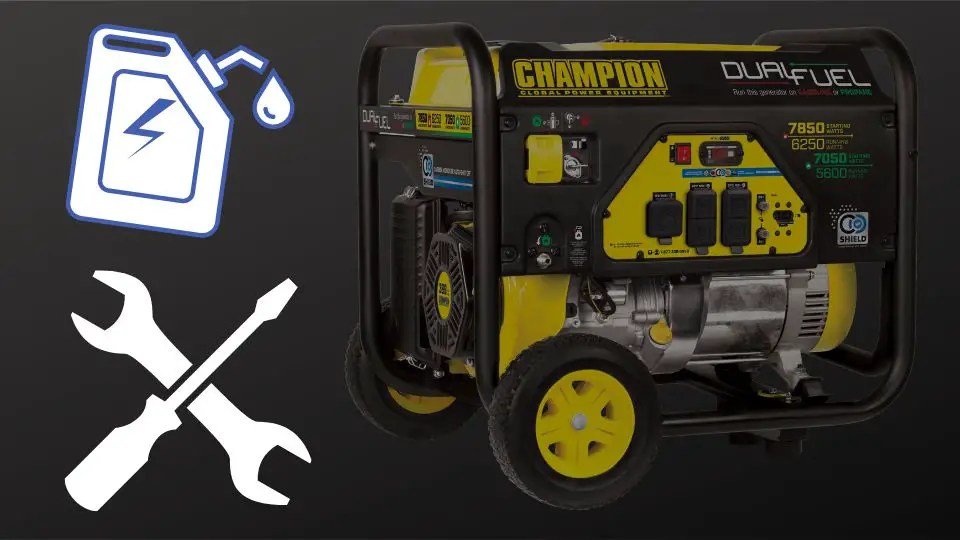
Your generator is more than just a piece of equipment; it's your lifeline when the grid goes dark. Whether it’s powering essential appliances during an outage or running tools at a remote job site, its reliability is non-negotiable. That's why effective Generator Maintenance & Troubleshooting isn't just a good idea—it's absolutely critical for keeping your power on when you need it most.
Imagine the frustration: a storm hits, the lights flicker out, and your backup generator sputters, refuses to start, or delivers unstable power. These scenarios are often preventable with proactive care and a systematic approach to identifying and fixing problems. This guide will walk you through everything you need to know, transforming you from a worried owner into a confident manager of your generator's health.
At a Glance: Key Takeaways for Generator Reliability
- Preventative Care is King: Regular maintenance prevents most common generator failures.
- Systematic Troubleshooting: Follow a step-by-step process to diagnose issues efficiently.
- Fuel Matters: Fresh, clean fuel is vital; old or contaminated fuel is a primary culprit for failures.
- Battery Health is Crucial: A weak battery is often the simplest reason for a generator not starting.
- Load Management: Operating within capacity and balancing the load prevents overheating and unstable power.
- Know Your Limits: Understand when a problem exceeds your DIY capabilities and a professional is needed.
- Safety First: Always prioritize safety by disconnecting power and fuel before any work.
Why Your Generator Deserves Consistent Care
Think of your generator as the silent guardian of your comfort and productivity. It sits, often dormant, waiting for its moment to shine. But just like any complex machine with an engine, electrical components, and moving parts, neglect can turn that guardian into a costly headache. Regular generator maintenance extends its lifespan, ensures peak performance, and significantly reduces the chances of unexpected breakdowns. It's an investment in peace of mind, guaranteeing that your generator will roar to life precisely when it’s called upon.
Decoding Common Generator Problems and Their Root Causes
When your generator acts up, it's often sending you a signal. Understanding these signals and their common origins is the first step in effective generator troubleshooting. Let's break down the typical issues you might encounter:
The Dreaded "No Start" Scenario
Nothing's more frustrating than a generator that won't even crank. This is usually the symptom of several potential underlying issues:
- Dead or Weak Battery: Just like your car, a generator's battery can lose its charge, especially if it sits for long periods without being trickle-charged. Corrosion on terminals can also impede current flow.
- Faulty Starter Motor: If the battery is strong but the engine still doesn't turn over, the starter motor itself might be compromised.
- Fuel Problems (The Big One):
- Insufficient Fuel: The simplest cause, often overlooked.
- Stale or Contaminated Fuel: Gasoline can degrade in as little as 30 days, especially if it contains ethanol, which attracts water and can corrode fuel system components. Diesel can also suffer from biological growth.
- Clogged Fuel Lines or Filters: Debris or gumming from stale fuel can block the path to the engine.
- Dirty Carburetor: Ethanol-blended fuels are notorious for leaving deposits that clog tiny carburetor passages in smaller gasoline generators.
- Low Engine Oil: Many generators have a low-oil shutdown feature to protect the engine, preventing it from starting if levels are too low.
- Faulty Spark Plugs/Ignition Coils: Old or fouled spark plugs won't ignite the fuel-air mixture effectively, while a failing ignition coil might not deliver the necessary spark.
- Blown Fuses: A simple electrical fuse can interrupt a critical circuit needed for starting.
Low or Unstable Power/Voltage Output
Your generator is running, but your lights are dim, or sensitive electronics are struggling. This indicates a problem with the power generation or regulation:
- Worn Brushes or Damaged Alternator: The alternator is where electricity is generated. Worn brushes can't make proper contact, and internal damage can reduce output.
- Motor Bearing Problems: Damaged bearings can cause friction, reduce efficiency, and introduce vibrations that affect power quality.
- Faulty Automatic Voltage Regulator (AVR): The AVR is a crucial component that ensures a consistent voltage output. A malfunctioning AVR leads to voltage fluctuations.
- Loose or Damaged Electrical Connections: Poor connections anywhere in the output circuit can cause resistance, leading to voltage drops.
- Dirty Alternator Windings: Dust and debris can build up on the alternator's windings, reducing its efficiency and cooling, potentially leading to instability.
- Incorrect Load Distribution: Overloading one phase in a multi-phase generator or simply exceeding the generator's total capacity can cause power dips and instability.
Overheating: A Serious Red Flag
An overheating generator isn't just inefficient; it's a major risk for serious, costly damage and even fire.
- Blocked or Dirty Radiator/Cooling System: Just like a car, a generator needs a clean radiator to dissipate heat. Blockages prevent proper airflow.
- Low Coolant or Engine Oil Levels: These fluids are essential for absorbing and transferring heat away from critical engine parts.
- Excessive Load Beyond Generator Capacity: Pushing your generator to work harder than it's designed for will invariably lead to overheating.
- Inadequate Ventilation: Generators need ample space around them for air intake and exhaust. Confined spaces prevent proper cooling.
Excessive Fuel Consumption
If you're filling the tank more often than usual, your generator is likely wasting fuel:
- Fuel Leaks: Inspect fuel lines, connections, and the tank itself for any drips or wet spots.
- Worn-Out Injectors: In diesel generators, faulty injectors can spray fuel inefficiently, leading to incomplete combustion.
- Poor Engine Tuning: Incorrect engine settings can lead to suboptimal fuel-air mixtures.
- Operating at Low Load Levels: Ironically, running a generator at very low loads for extended periods can be less fuel-efficient per unit of power produced and can lead to "wet stacking" in diesel engines.
Unusual Noise or Vibrations
New or excessive sounds and shakes are rarely good news and often indicate mechanical distress:
- Loose Engine or Alternator Mountings: Bolts can loosen over time, causing the entire unit to vibrate excessively.
- Worn Bearings: Bearings in the engine, alternator, or cooling fan can wear out, producing grinding or whining noises.
- Damaged Belts or Pulleys: Frayed belts or misaligned pulleys can create squealing or slapping sounds.
- Internal Mechanical Faults: More serious issues like a bent crankshaft, piston problems, or valve train issues can manifest as knocking or clunking sounds.
Smoke Signals: Black or White from the Exhaust
The color of your generator's exhaust smoke provides valuable diagnostic clues:
- Black Smoke: This typically indicates incomplete fuel combustion. Common causes include dirty air filters (restricting oxygen), faulty fuel injectors (poor spray pattern), or simply overloading the generator beyond its capacity.
- White Smoke: Often points to either low cylinder compression (meaning the engine isn't sealing properly), coolant leakage into the combustion chamber (burning antifreeze), or unburnt fuel passing through the exhaust (especially if the engine is cold or has injector issues).
Abrupt Shutdowns
A generator suddenly cutting out can be alarming and points to a critical issue:
- Mechanical Wear: Internal engine failures can trigger protective shutdowns.
- Overheating: As mentioned, many generators will shut down to prevent catastrophic damage from excessive heat.
- Low Oil Pressure or High Coolant Temperature: Sensors for these vital parameters will often trigger an emergency shutdown.
- Environmental Factors: Extreme temperatures or lack of oxygen can also contribute.
- Electrical Faults: Short circuits or severe overloads can trip breakers or protection systems.
Your Step-by-Step Troubleshooting Playbook
Facing a problem? Don't panic. A methodical approach to generator troubleshooting will help you pinpoint the issue without unnecessary guesswork.
Step 1: The Thorough Visual Inspection
Before you even think about tools, give your generator a good look-over. This simple step can often reveal obvious culprits:
- Fuel Levels: Is there enough fuel? Is the fuel valve open?
- Battery Condition: Are the battery terminals clean and tight? Is there any visible corrosion?
- Wiring: Check for loose or damaged wires, especially around the starter, battery, and control panel.
- Filters: Are the air filter or fuel filter visibly dirty or damaged?
- Physical Damage: Look for leaks (fuel, oil, coolant), loose components, or any signs of animal nesting that might block vents.
- Vents: Ensure all air intake and exhaust vents are clear of obstructions.
Step 2: Assess Fuel Quality and Flow
Fuel is the lifeblood of your generator. If it's compromised, your generator won't run right, if at all.
- Drain Old/Stale Fuel: If your generator has been sitting for months, assume the fuel is stale. Drain the tank and refill with fresh fuel.
- Inspect and Replace Fuel Filters: A clogged filter restricts fuel flow. Replace it if it looks dirty or if you suspect flow issues.
- Clean the Carburetor (Gasoline Generators): If you suspect stale fuel has gummed up the carburetor, it may need a thorough cleaning or even replacement. This often involves disassembling it, cleaning passages with carburetor cleaner, and replacing gaskets.
Step 3: Check Battery and Electrical Components
The electrical system is critical for starting and consistent power delivery.
- Battery Voltage and Continuity: Use a multimeter to check the battery's voltage. A fully charged 12V battery should read around 12.6V or higher. Check for continuity in relevant circuits if you suspect a wiring break.
- Charge or Replace Battery: If the battery voltage is low, try charging it. If it doesn't hold a charge, it needs replacement.
- Inspect Starter Motor and Wiring: If the battery is good but it still won't crank, check the starter motor connections and listen for any clicks or hums when trying to start.
- Replace Spark Plugs and Fuses: Fouled spark plugs are a common no-start cause. Blown fuses can prevent various functions, including starting.
- Tighten Electrical Connections: Loose connections create resistance and heat, leading to poor performance or failure.
Step 4: Inspect Air Filters and Cooling System
Proper airflow and temperature regulation are paramount for engine health.
- Clean or Replace Air Filters: A dirty air filter starves the engine of air, leading to poor combustion and black smoke.
- Clean the Radiator: Remove any debris, dust, or insect nests from the radiator fins. Use compressed air or a soft brush.
- Verify Coolant Levels and Fans: Check your coolant reservoir and radiator. Top up with the recommended coolant mixture. Ensure the cooling fan spins freely and engages when the generator is running.
- Ensure Proper Airflow and Ventilation: Make sure the generator isn't in an enclosed space without adequate air circulation.
Step 5: Evaluate Load Conditions
Overloading is a common cause of performance issues and can damage your generator.
- Disconnect Non-Essential Devices: If you're experiencing low power, try reducing the load by unplugging less critical appliances.
- Measure Output Power: If you have a meter, check the actual power output. Compare it to the generator's rated capacity.
- Reduce Load to Within Capacity: Ensure the total wattage of connected devices does not exceed the generator's running watts.
- Balance Load (for multi-phase generators): Distribute your load as evenly as possible across the different phases to prevent imbalance and stress on the alternator.
Step 6: Consult Error Codes and User Manual
Modern generators often have sophisticated diagnostic systems.
- Check for Diagnostic Codes: Many newer generators display error codes on their control panels. Jot down the code.
- Refer to the User Manual: Your generator's manual is your ultimate troubleshooting guide. It will explain what each error code means and suggest specific troubleshooting steps.
- Compression Test (for persistent smoke/performance issues): If you're seeing persistent exhaust smoke (especially white smoke) or significant power loss, a compression test can diagnose internal engine wear. This typically requires specialized tools.
DIY Fixes and Essential Maintenance for a Long-Lasting Generator
Many common generator issues can be prevented or fixed with a little elbow grease and adherence to a regular maintenance schedule.
Fuel System TLC
The fuel system is often where problems begin. Proactive care here can save you a lot of hassle.
- Use Fresh, Stabilized Fuel: For small gasoline generators, always use fresh, non-ethanol gasoline if possible. If you must use ethanol-blended fuel, add a fuel stabilizer immediately.
- Drain Fuel for Storage: If your generator will be idle for more than 30 days, drain the fuel tank completely to prevent degradation and carburetor issues. Run the generator until it runs out of fuel to clear the carburetor bowl.
- Clean Carburetors Regularly: Even with stabilized fuel, a carburetor can get gummed up. Consider annual cleaning or professional servicing.
- Inspect and Repair Fuel Lines/Tank: Check all fuel lines for cracks, leaks, or brittleness. Ensure the fuel cap seal is intact.
Battery Boost: Keeping the Heart Pumping
A dead battery is a common and easily avoidable failure.
- Charge Periodically: Use a smart charger or trickle charger to keep the battery topped off, especially during periods of inactivity. This prevents sulfation, which can permanently damage the battery.
- Inspect and Clean Terminals: Annually, disconnect the battery, clean the terminals with a wire brush, and reapply a dielectric grease or anti-corrosion spray.
Spark Plugs and Electrical Check-Up
Small electrical components play a big role in reliable operation.
- Replace Spark Plugs Annually: Or after every 100 hours of running time, whichever comes first. Refer to your manual for the correct plug type and gap.
- Check and Secure Wiring: Periodically inspect all visible wiring for frays, cracks, or loose connections. Tighten as needed.
- Clean Alternator Windings: Over time, dust and debris can accumulate on the alternator's internal windings. A gentle cleaning with compressed air can prevent overheating and maintain efficiency.
Cooling System and Filters: Breathing Easy
A clean engine runs cooler and lasts longer.
- Keep Vents Clear: Regularly check and clean all air intake and exhaust vents to ensure unobstructed airflow.
- Replace Air Filters: Follow manufacturer recommendations (typically every 50-100 hours or annually). A clean air filter is crucial for efficient combustion.
- Monitor and Add Coolant/Antifreeze: For liquid-cooled generators, check coolant levels regularly. Use the correct coolant mixture, including antifreeze when applicable.
- Refill Engine Oil: Always ensure engine oil is at the recommended level before starting. Change oil and oil filter according to manufacturer guidelines (usually every 50-100 hours). Different oil types are available, and you can explore generator accessories and fluids at Lowes.
Engine Tuning for Efficiency
Optimizing engine performance helps save fuel and reduce wear.
- Calibrate Engine Settings: If you have access to diagnostic tools or the know-how, ensure engine settings are calibrated for optimal fuel efficiency and performance.
- Run at Optimum Load: Aim to run your generator at 70-80% of its rated capacity. This load level is typically the most fuel-efficient and helps prevent issues like wet stacking in diesel engines.
Mechanical Integrity
Don't forget the physical components that hold your generator together.
- Tighten Mounting Bolts: Vibrations can loosen engine and alternator mounting bolts over time. Check and tighten them annually.
- Replace Worn Bearings, Belts, Pulleys: Listen for new noises. If you hear squealing or grinding, inspect belts for wear and pulleys for alignment. Replace worn components promptly to prevent cascading failures.
When to Call in the Pros: Knowing Your Limits
While many generator maintenance & troubleshooting tasks are DIY-friendly, some problems simply demand the expertise of a certified technician. Attempting repairs beyond your skill level can lead to further damage, void warranties, or even create dangerous safety hazards.
You should always call a professional for:
- Complex Electrical System Failures: This includes internal alternator damage, Automatic Voltage Regulator (AVR) problems, or issues with the control panel's sensitive electronics. These require specialized diagnostic tools and expertise.
- Engine Internal Damage: Problems with pistons, valves, crankshafts, or significant internal knocking noises are typically beyond a DIY fix. Engine overhauls or major repairs are best left to engine specialists.
- Persistent Overheating Unresponsive to Basic Fixes: If you've cleaned everything, checked fluid levels, and ensured proper ventilation, but your generator still overheats, there's likely a deeper mechanical or system issue at play.
- Generator Control Panel Glitches and Software Errors: Modern generators often have sophisticated electronic control units. Software bugs, sensor failures, or display issues require specialized diagnostic equipment and potentially firmware updates.
- Internal Mechanical Faults Causing Unusual Noise or Vibrations: While you can check loose bolts, deep-seated mechanical issues like worn internal bearings or misaligned components require professional disassembly and repair.
- Propane/Natural Gas System Issues: Problems with gas lines, regulators, or carburetors for gaseous fuel generators should always be handled by qualified gas technicians due to explosion risks.
Professionals have access to proprietary diagnostic tools, manufacturer-specific information, and the experience to accurately diagnose complex issues and replace components correctly. Their expertise ensures the repair is done safely and effectively, ultimately saving you money and headaches in the long run.
Maximizing Your Generator's Lifespan: Beyond the Basics
To truly get the most out of your generator and ensure it serves you reliably for years to come, integrate these best practices into your routine:
- Perform Scheduled Maintenance Strictly: Adhere to the manufacturer's recommended service intervals for oil changes, filter replacements, and general inspections. Don't skip these steps!
- Operate Within Rated Capacity: Never consistently overload your generator. If you frequently need more power, it's a sign you need a larger unit. Running at 70-80% load is ideal for efficiency and engine health.
- Store Generators in Clean, Dry Environments: Protect your investment from dust, moisture, and extreme temperatures. A shed or garage is ideal.
- Run the Generator Monthly for 20-30 Minutes: This is crucial. Regular exercise circulates lubricants, keeps seals from drying out, prevents fuel from stagnating in lines and carburetors, and helps identify potential issues before they become critical. Run it with at least 50% load to burn off carbon deposits.
- Keep Detailed Maintenance Records: Document every inspection, oil change, repair, and part replacement. This helps track service intervals, diagnose recurring issues, and proves good maintenance for potential resale.
Safety First: Essential Practices for Generator Work
Working with generators involves fuel, electricity, and moving parts. Safety must always be your top priority.
- Disconnect Battery and Fuel: Before starting any inspection or repair, always disconnect the battery (negative terminal first) and turn off the fuel supply. This prevents accidental starting or fuel leaks.
- Work in Well-Ventilated Areas: Never run or repair a generator in an enclosed space. Carbon monoxide, an odorless and colorless gas, can be deadly. Ensure ample fresh air.
- Wear Protective Gear: Always wear protective gloves to protect your hands from cuts, chemicals, and hot surfaces. Safety goggles are essential to shield your eyes from debris, fuel splashes, and battery acid.
- Keep a Fire Extinguisher Nearby: When working with fuels or electrical components, have a suitable fire extinguisher (Class B or ABC) readily accessible.
- Ensure Stability: Make sure the generator is on a stable, level surface to prevent tipping or accidental movement during repairs.
- Allow Cooling Time: Never work on a hot engine. Allow the generator to cool down completely before touching any components.
Powering Forward with Confidence
Mastering generator maintenance & troubleshooting isn't about becoming a certified mechanic; it's about gaining the knowledge and confidence to keep your essential backup power source running flawlessly. By understanding the common problems, following a systematic troubleshooting process, committing to regular maintenance, and knowing when to call in professional help, you ensure that your generator is always ready to step up and keep your lights on, your food cold, and your life uninterrupted.
Embrace these practices, and you'll not only extend the life of your generator but also secure the peace of mind that comes from knowing you're prepared for whatever comes next.