When the lights go out, a primal sense of vulnerability can sweep over your home. Whether it's a winter storm knocking out power for days or an unexpected grid failure, having a reliable backup solution is no longer a luxury—it's a smart essential. But diving into Generator Installation & Setup Guides can feel like navigating a complex maze of electrical jargon and safety warnings.
This guide cuts through the noise, offering clear, actionable insights for bringing dependable backup power to your home. We'll explore everything from understanding your options to the step-by-step process of a professional installation, all while emphasizing safety and smart choices.
At a Glance: Your Path to Home Backup Power
- DIY vs. Pro: Portable generators often allow for DIY setup; whole-home standby units absolutely require professional installation.
- Standby Perks: Automatic power during outages, direct connection to your home's electrical system, and a continuous fuel supply.
- Choosing Wisely: Assess your specific power needs, choose the right fuel type, and size your generator correctly for efficiency.
- Safety First: Carbon monoxide prevention, proper grounding, and safe fuel handling are paramount.
- Professional Is Key: For whole-home systems, certified electricians and installers ensure safety, code compliance, and warranty protection.
- Ongoing Care: Regular maintenance keeps your generator ready for when you need it most.
The Power Outage Reality: Why Backup Matters More Than Ever
Imagine losing heat in the dead of winter, food spoiling in a dark fridge, or essential medical equipment going offline. These aren't just inconveniences; they can be serious threats to your comfort, safety, and property. A home backup generator provides more than just electricity—it offers peace of mind. It ensures your critical systems—from HVAC to refrigeration, security to internet—remain operational, keeping your family safe and your daily life as uninterrupted as possible. Plus, in a world where remote work is common, an outage doesn't have to mean a lost workday.
DIY vs. Professional: Knowing Your Limits and the Risks
Before you even think about connecting a generator, it's crucial to understand the fundamental difference in installation requirements and the serious implications of getting it wrong.
Portable Generator Setup: When DIY Can Work
For many homeowners, a portable generator is their first line of defense. These units are designed for temporary power to select appliances and typically don't involve complex wiring into your main electrical panel.
- Direct-to-Appliance: The simplest method involves running heavy-duty extension cords directly from the generator to individual appliances. This works for a few essentials like a refrigerator or a lamp.
- Inlet Box with Manual Transfer Switch: For a slightly more integrated solution, some homes have a pre-installed outdoor inlet box connected to a manual transfer switch inside. You'd plug the generator into this box, then manually flip the switch to send generator power to specific circuits. This is a common and safer DIY-friendly method that still prevents dangerous "backfeeding."
- Interlock Kit: An approved interlock kit can be installed on your main electrical panel, allowing you to safely route generator power to selected circuits. This prevents the main utility breaker and the generator breaker from being on simultaneously, again stopping backfeeding.
While these options offer more convenience than individual extension cords, any connection to your home's electrical system, even via an interlock kit, must adhere to strict safety guidelines and local codes. If you're unsure, consulting an electrician is always the safest bet.
Whole-Home Standby Generators: A Job Strictly for the Pros
This is where DIY ends and professional expertise begins. Whole-home standby generators are complex, permanent installations that involve high-voltage wiring, integration with your home's main electrical panel, and connection to a permanent fuel source (like natural gas or propane).
- High Stakes: Incorrect installation can lead to severe consequences:
- Electrical Hazards: "Backfeeding" power into utility lines is incredibly dangerous, risking electrocution for utility workers. A proper transfer switch is non-negotiable.
- Carbon Monoxide Poisoning: Improper generator placement can lead to deadly carbon monoxide fumes entering your home.
- Fire Hazards: Faulty wiring or incorrect fuel line connections can cause fires.
- Voided Warranties: Manufacturer warranties often require professional installation.
- Code Violations & Fines: Local building and electrical codes are stringent for these systems, requiring permits and inspections.
- The Professional Imperative: Tasks like adding or modifying natural gas or propane lines, installing an automatic transfer switch, or any project requiring electrical and fuel permits must be handled by licensed electricians and certified installers. They understand the intricacies of the National Electrical Code (NEC) and local regulations, ensuring a safe, compliant, and reliable installation.
Understanding the Whole-Home Standby Generator
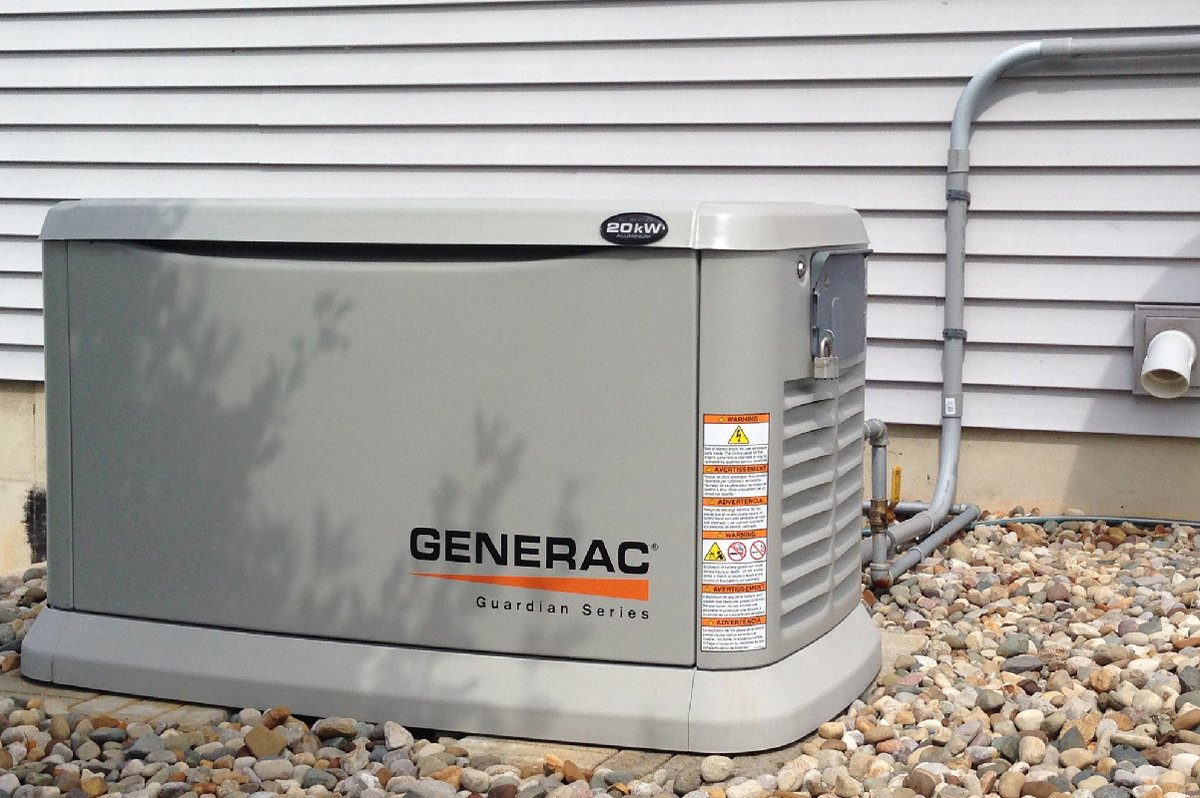
Often called standby or automatic backup generators, these units are the gold standard for seamless, hands-off power protection. Permanently installed outside your home, they automatically detect a power outage, switch on, and power your home until utility service is restored.
Why Choose a Whole-Home Standby System?
- Automatic Activation: No need to drag out a portable unit or refuel in a storm. It just works.
- Complete Coverage: Power your entire home or select critical circuits, running essential appliances, HVAC, and even sensitive electronics.
- Continuous Fuel: Connected to your home's natural gas line or a dedicated propane tank, it runs for extended periods without manual refueling.
- Increased Home Value: A permanent generator can significantly boost your home's resale value and appeal.
- Enhanced Safety: Prevents frozen pipes, protects food, keeps security systems active, and maintains communication during emergencies.
Choosing Your Standby Powerhouse: Key Decisions
Selecting the right whole-home generator involves more than just picking a brand. It requires careful consideration of your needs and home infrastructure.
1. Fueling Your Backup: Options and Considerations
- Natural Gas: The most convenient option if you have a municipal gas line. It offers an unlimited, low-maintenance fuel supply, eliminating the need for refueling.
- Propane: Stored in a large tank on your property, propane is an excellent choice for homes without natural gas. It stores well, but you'll need to monitor tank levels and schedule deliveries.
- Diesel: Highly efficient and long-lasting, but diesel generators require more maintenance (fuel filtering, tank upkeep) and fuel needs to be stored and rotated.
- Solar: While eco-friendly, solar-only backup systems are typically limited in power output and reliant on sunlight. Hybrid systems (solar with battery storage and a generator) offer more robust solutions.
2. Assessing Your Power Needs: What Absolutely Must Run?
This is perhaps the most critical step. Don't guess. Walk through your home and list every appliance and system you want to power during an outage.
- Essentials: Refrigerator/freezer (~800W), basic lighting/outlets (~500W), Wi-Fi/electronics (~300W).
- Comfort: Heating/cooling (can be 1,500–4,000W or more), well pump (~1,000W), water heater.
- Luxury/Convenience: Washer/dryer, oven, entertainment systems.
An electrician can perform a detailed load calculation, which is essential. They'll help you determine the running wattage and "surge wattage" (the extra power some appliances need to start) for each item.
3. Sizing It Right: Avoiding Underpowering or Overspending
Whole-home generators typically range from 5,000 to 22,000 Watts or more. To size yours:
- List running wattages: Add up the running wattage (Watts = Amps × Volts) of all the appliances you identified.
- Factor in surge watts: Identify the highest surge wattage for any motor-driven appliance (e.g., refrigerator, well pump) and add that to your total running wattage.
- Buffer: Aim for a generator that can handle at least 80% of your calculated total wattage. It's always better to have a little more capacity than not enough.
Choosing the right size prevents overloading your generator, which can cause it to shut down or shorten its lifespan.
You might be surprised by the variety and power available for home use. To explore different models and features, you can Shop Lowes generators.
The Investment: What to Expect in Costs
A whole-home standby generator is a significant investment, but one that pays dividends in peace of mind and protection. Costs vary widely based on generator size, fuel type, local labor rates, and installation complexity.
- Generator Unit: Expect to pay between $3,000 and $10,000+ for the unit itself. High-capacity or premium models can exceed this.
- Installation: This is often where a substantial portion of the cost lies, ranging from $5,000 to $12,000. This includes site preparation, electrical work, fuel line installation, transfer switch, permits, and inspections.
- Total Cost: A complete standby generator system, installed, typically falls between $8,000 and $22,000+. For very large homes or complex installations, costs can exceed $25,000.
Remember, this is an investment in your home's safety and resilience.
Step-by-Step Professional Standby Generator Installation: The Nitty-Gritty
Once you've chosen your generator and installer, the process begins. Here’s what a professional installation typically involves:
1. Site Assessment and Permitting: Laying the Legal Groundwork
The first step is a thorough evaluation of your property. The installer will:
- Assess your home's electrical capacity and fuel options.
- Determine the best location for the generator, considering clearances, noise, and fuel line access.
- Identify any necessary electrical service upgrades.
- Crucially, they will handle all necessary permits (electrical, fuel, zoning) and ensure compliance with local building codes and homeowner association (HOA) rules. This is a complex but vital step that protects you from fines and ensures safety.
2. Selecting the Location: More Than Just a Spot
The generator's placement is critical for both safety and performance. Your installer will ensure it meets all manufacturer specifications and local codes. Key considerations:
- Stability and Level Ground: It must sit on a stable, level surface, typically a concrete pad or compacted gravel base.
- Ventilation: Generators produce exhaust fumes and heat. The location must be well-ventilated.
- Clearances: Strict minimum clearances are required: at least 5 feet from any doors, windows, or vents to prevent carbon monoxide entry, and at least 18 inches from walls or other structures for airflow and maintenance access.
- Accessibility: Easy access for routine maintenance and servicing is important.
3. Preparing the Site: Building the Foundation
Once the location is finalized, the site needs preparation. This includes:
- Ground Leveling: Ensuring the ground is perfectly level and compacted.
- Generator Pad Installation: Pouring a concrete pad or installing a pre-fabricated composite pad to provide a solid, durable base.
- Drainage: Establishing proper drainage around the unit to prevent water pooling, which can damage the generator.
4. The Electrical Heart: Transfer Switches and Connections
This is the core of the electrical installation and where professional expertise is absolutely essential.
- Transfer Switch: The installer will install either a manual or, more commonly for standby units, an automatic transfer switch (ATS). The ATS is a smart device that detects utility power loss, signals the generator to start, and automatically switches your home's power source. When utility power returns, it switches back and shuts down the generator.
- Wiring: Heavy-gauge wiring is run from the generator to the transfer switch, and from the transfer switch to your main electrical panel.
- Circuit Connection: Based on your power assessment, the necessary circuits are connected through the transfer switch to receive generator power.
5. Fueling the Beast: Secure and Compliant Connections
The generator needs a continuous fuel supply. The installer will:
- Natural Gas: Run a dedicated natural gas line from your home's main gas supply to the generator, ensuring proper pressure and flow.
- Propane: Install a dedicated propane tank (if not already present), connect the lines, install shut-off valves, and regulators. Propane tanks must be placed according to local codes, often requiring specific distances from property lines and structures.
- Diesel: Secure a diesel tank and install filtered fuel lines, if applicable.
All fuel connections are thoroughly checked for leaks and compliance with gas and plumbing codes.
6. System Testing and Inspection: The Final Check
With everything connected, the system is ready for its maiden voyage.
- Initial Startup and Testing: The installer will start the generator, monitor its operation, and test it under load to ensure it runs smoothly and delivers power as expected. They'll verify all safety devices and monitoring systems are functioning correctly.
- Local Inspection: Once the installer is satisfied, a local inspector will review the entire installation for compliance with all electrical, fuel, and building codes. Only after passing this inspection is the installation officially approved.
Safety First: Non-Negotiables for Generator Use
Safety isn't just a step; it's a constant consideration. Even with professional installation, understanding and practicing generator safety is paramount.
- Carbon Monoxide Prevention: This is perhaps the most critical safety warning.
- Always Outdoors: Generators must always be operated outdoors in a well-ventilated area. Never run them in an enclosed space like a garage, basement, shed, or even under a carport.
- Clearance: Maintain at least 5 feet clearance from any windows, doors, or vents to prevent exhaust fumes from entering your home.
- CO Detectors: Install battery-operated or hardwired carbon monoxide detectors inside your home, especially near sleeping areas. Check them regularly.
- Proper Grounding and Electrical Safety:
- Transfer Switch: A transfer switch is your most important safety device. It prevents dangerous "backfeeding" of power into utility lines, which can injure or kill utility workers.
- Grounding: Ensure the generator is properly grounded according to NEC requirements to prevent electrical shock. Your installer will handle this.
- No Overloading: Don't overload the generator. If circuit breakers trip, reduce the load before resetting.
- Dry Hands & Tools: Always operate the generator with dry hands and use appropriate insulated tools.
- Fuel Storage and Handling:
- Approved Containers: Store gasoline and diesel in approved, clearly labeled containers away from living spaces and heat sources.
- Propane Tanks: Keep propane tanks upright, in well-ventilated areas, and secured to prevent tipping.
- Leak Checks: Periodically inspect fuel lines for any signs of leaks.
- Fire Extinguisher: Keep a fire extinguisher (rated for electrical and fuel fires) nearby.
- Weather Protection: While standby generators are designed to be weatherproof, ensure portable units have a protective canopy if operating in rain or snow, but never compromise ventilation.
Finding the Right Hands: Hiring a Certified Installer
The quality of your installation is only as good as the installer. Don't cut corners here.
- Licenses and Certifications: Look for installers with valid electrical and plumbing licenses (as required for fuel lines). Manufacturer-specific certifications are also a huge plus, indicating specialized training.
- Experience: Choose a company with proven experience specifically in standby generator installations, ideally for your chosen fuel type.
- Proof of Insurance: Insist on proof of liability insurance and worker's compensation. This protects you from financial responsibility in case of accidents or damage during installation.
- References and Reviews: Check online reviews and ask for references from previous generator customers.
- Detailed Quotes: Get a clear, itemized written quote that breaks down the cost of the generator unit, labor, permits, transfer switch, and any potential additional electrical or fuel line work. Avoid vague estimates.
Questions to Ask Your Potential Installer:
- What generator size do you recommend for my home, and how did you calculate that?
- Which fuel type is most suitable for my property?
- Will my current electrical panel or service need upgrades?
- What type of transfer switch do you recommend (manual vs. automatic)?
- What are the local codes and HOA rules regarding generator placement and noise?
- Who handles securing all necessary permits and scheduling inspections?
- What is the warranty on the generator and your installation work?
- Do you offer ongoing maintenance plans?
Choosing a reputable installer ensures not just a functioning generator, but a safe, code-compliant, and durable backup power system for years to come.
Beyond Installation: Keeping Your Generator Ready
Your generator is installed—fantastic! But its readiness depends on ongoing care. Think of it like your car; it needs regular check-ups to perform when called upon.
- Annual Maintenance: Schedule professional annual maintenance. This typically includes oil and filter changes, spark plug checks, battery inspection, and a comprehensive system test. Many installers offer service contracts.
- Keep Fuel Fresh:
- For gasoline-powered portables, use fuel stabilizer if storing for extended periods, and rotate your fuel supply.
- For diesel, ensure your tank is filtered and free of water or sediment; rotate supplies if not used frequently.
- For propane, simply monitor your tank levels.
- Monthly Exercise: Most standby generators have an automatic weekly or bi-weekly exercise cycle. Ensure this feature is active. For portables, manually run them under a load (like a few lights) for 20-30 minutes each month. This lubricates parts and keeps the unit ready.
- Visual Inspections: Regularly check for rodent nests, corrosion, loose connections, or debris around the unit. Keep the area clear.
- Monitor Status: If your standby generator has a remote monitoring system, ensure it's connected and sending alerts.
Installing a home generator is a significant step towards securing your home and family against power outages. While portable units offer DIY options for basic needs, a whole-home standby generator demands professional expertise. By understanding the process, making informed choices about sizing and fuel, prioritizing safety, and entrusting the installation to certified professionals, you’ll unlock reliable, automatic backup power that truly delivers peace of mind when you need it most.