When the lights go out, the silence can be deafening, quickly replaced by the hum of worry. Will the food spoil? Will critical medical devices fail? For homeowners, power outages aren't just an inconvenience; they're a disruption to daily life and, at times, a threat to safety. That's why choosing the right generator for your needs isn't merely a purchase; it's an investment in peace of mind and resilience.
This guide is your roadmap to understanding generators, cutting through the jargon, and helping you select a system that keeps your home humming smoothly, even when the grid goes quiet. We'll explore everything from calculating your power demands to navigating fuel types, ensuring you make an informed decision for dependable home power.
At a Glance: Your Generator Selection Quick Guide
- Calculate Your Power Needs: List essential appliances, noting both running and starting watts. Don't forget future needs.
- Pick Your Type: Portable (flexible, manual), Standby (automatic, whole-home), Inverter (quiet, clean power), or Solar (eco-friendly, silent).
- Prioritize Features: Match power output to your wattage, consider fuel type, noise level, portability, and crucial safety features.
- Budget Wisely: Factor in generator cost, installation, fuel, and annual maintenance.
- Trust Reliable Brands: Look for established names with good warranties and customer support.
- Plan for Setup & Maintenance: Secure necessary accessories like transfer switches and commit to routine checks for long-term reliability.
Unpacking Your Energy Demands: How Much Power Do You Really Need?
Before you even glance at generator models, the first, most crucial step is to quantify your home's unique energy footprint during an outage. This isn't about powering every single device, but strategically identifying the essentials. Think of it as creating an emergency power budget.
From Fridge to Furnace: Pinpointing Your Essential Appliances
Start by making a comprehensive list of every appliance, device, and system you absolutely cannot do without when the power is out. This often includes:
- Refrigerator
- Freezer
- Sump pump (critical for many homes)
- Well pump (if you rely on one)
- Heater (furnace fan or space heater)
- Air conditioner (window unit or central fan)
- Medical equipment (CPAP, oxygen concentrator)
- Lights (a few key rooms)
- Communication devices (phone chargers, Wi-Fi router)
- Water heater (if electric)
- Garage door opener
Crunching the Numbers: Running vs. Starting Watts
Now, for each item on your list, you need to find its running wattage and starting wattage.
- Running Watts (or Rated Watts): This is the power an appliance needs to operate continuously. It's usually listed on a label on the appliance itself or in its owner's manual.
- Starting Watts (or Surge Watts): Many motor-driven appliances (refrigerators, freezers, sump pumps, HVAC systems) require a brief, much higher burst of power to kick on. This surge can be 2-3 times their running wattage. Your generator needs to be able to handle these momentary peaks without tripping.
Here's a simple example:
| Appliance | Running Watts | Starting Watts (Approx.) |
| :--------------- | :------------ | :----------------------- |
| Refrigerator | 800 W | 2400 W (3x) |
| Sump Pump | 1500 W | 3000 W (2x) |
| Lights (LED) | 100 W | 100 W |
| Wi-Fi Router | 50 W | 50 W |
| Subtotal | 2450 W | 5550 W |
To calculate your total need, sum the running watts of all appliances you want to run simultaneously. Then, identify the single highest starting wattage among those appliances and add it to your total running watts. This gives you your generator's minimum required surge capacity.
Example Scenario: If you plan to run a refrigerator (800W running, 2400W starting), a sump pump (1500W running, 3000W starting), and lights (100W running) at the same time:
- Total Running Watts: 800W (fridge) + 1500W (pump) + 100W (lights) = 2400W
- Highest Starting Wattage: The sump pump needs 3000W to start. The fridge needs 2400W. So, the highest is 3000W.
- Minimum Generator Requirement: Your generator needs to supply at least 2400 running watts and be able to surge up to 3000 watts (when the sump pump kicks on) on top of the other running loads. A common rule of thumb is to take your total running watts and add the highest starting watts of any single appliance. So, 2400W (running) + (3000W - 1500W, because the 1500W is already in the running total) = 3900W surge capacity required if all started at once. A simpler way: your generator needs a continuous output for all running items and a surge capacity to handle the single largest starting load on top of other running loads.
It’s often safer to aim for a generator whose rated (running) watts comfortably exceed your total simultaneous running watts, and whose peak (starting) watts can handle your single largest starting load.
Building for Tomorrow: Future-Proofing Your Power Needs
Don't just think about today. Will you be adding a larger TV, an electric vehicle charger, or perhaps upgrading your HVAC system down the line? Accounting for these potential additions, or even seasonal demands (a robust heating system in winter, a powerful AC in summer), can save you from replacing an undersized generator prematurely. A little extra capacity now can provide significant flexibility later.
Navigating the Generator Landscape: Which Type Suits You?
Generators come in various forms, each designed for specific needs and scenarios. Understanding their core differences is key to making the right choice.
Portable Generators: Power On the Go
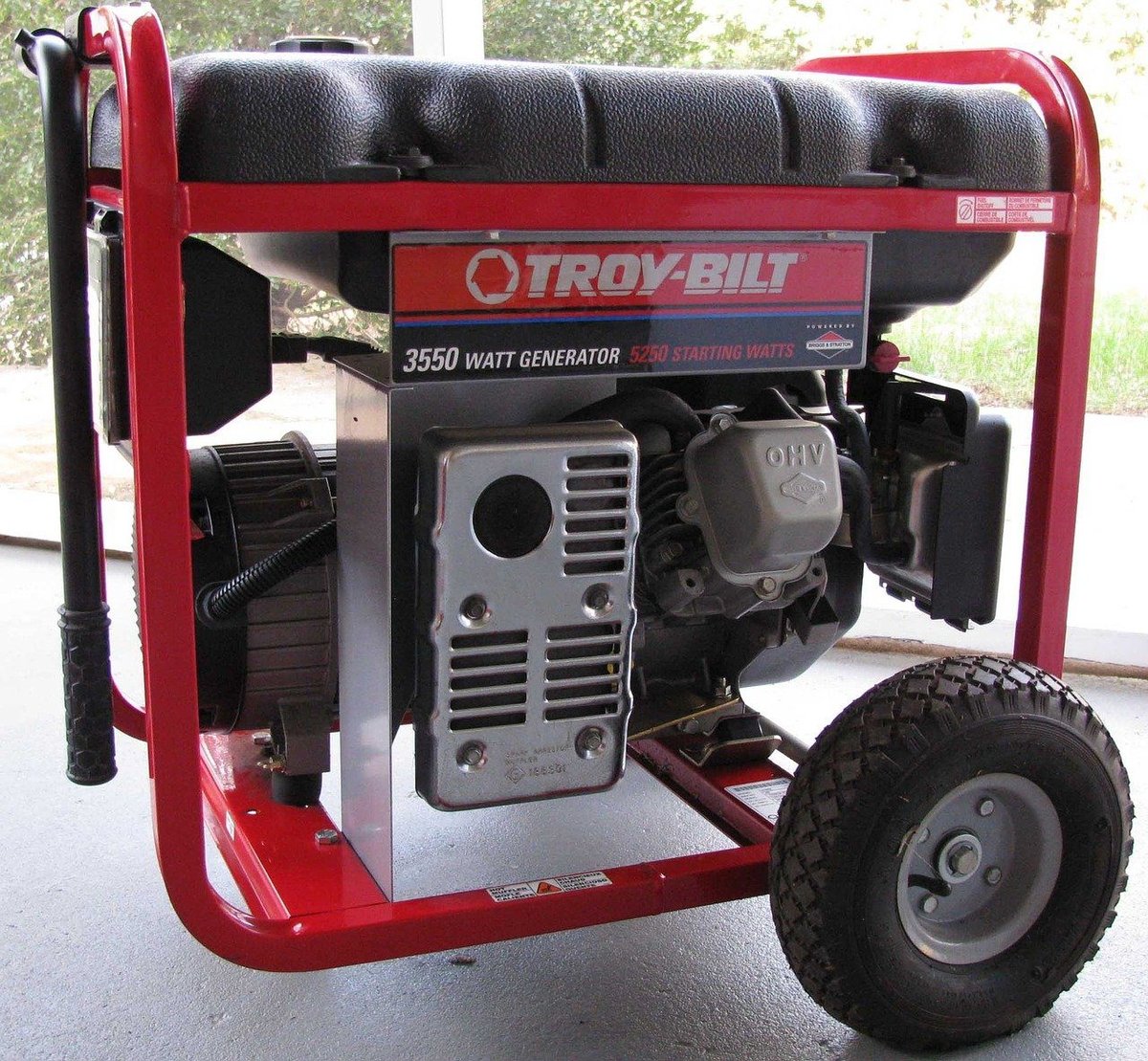
These are the most common and often the entry-level choice for many homeowners.
- How They Work: Portable generators typically run on gasoline or propane and are designed to be moved. You start them manually, connect appliances directly via extension cords, or plug them into a transfer switch for limited home circuit power.
- Power Output: Ranging from 1,000 to 12,000 watts, they can handle anything from a few lights and chargers to several major appliances.
- Best For: Camping, job sites, tailgating, and temporary power during short-term home outages. They require manual refueling and operation.
- Pros: Relatively affordable, versatile, easy to store.
- Cons: Require manual setup and monitoring, can be noisy, need to be refueled frequently, gasoline has a short shelf life.
- Things to Note: Never run a portable generator indoors or in an attached garage due to carbon monoxide risks. Always ensure proper grounding.
The Unseen Guardian: Standby Generators for Whole-Home Comfort
Standby generators are the ultimate "set it and forget it" solution, offering seamless power during outages.
- How They Work: Permanently installed outside your home, similar to an air conditioning unit, they connect directly to your home's electrical panel via an automatic transfer switch. When grid power fails, the generator senses it, starts automatically, and switches your home's power source. When grid power returns, it automatically switches back and shuts down.
- Power Output: These powerhouses range from 7,000 to 30,000+ watts, capable of powering your entire home, including central AC, electric furnaces, and multiple large appliances.
- Fuel Type: Typically run on natural gas or propane, drawing directly from your home's supply, eliminating the need for frequent refueling.
- Best For: Homeowners who want comprehensive, hands-off backup power, especially those in areas prone to frequent or long-duration outages, or those with critical medical equipment.
- Pros: Automatic operation, seamless transition, whole-home power, direct fuel line (no refueling), quiet operation for their size.
- Cons: Significant upfront cost (unit + professional installation), permanent fixture, requires professional maintenance.
Quiet & Clean: Inverter Generators for Sensitive Electronics
Inverter generators are a specialized type of portable generator known for their superior power quality and quiet operation.
- How They Work: Instead of producing raw AC power directly from the engine, inverter generators convert AC to DC, then back to clean AC power. This multi-step process results in a "pure sine wave," which is crucial for sensitive electronics like laptops, smartphones, and medical devices. They also adjust engine speed to match power demand, making them very fuel-efficient.
- Power Output: Typically range from 1,000 to 4,000 watts, making them suitable for smaller critical loads.
- Best For: Camping, RVs, tailgating, and powering sensitive electronics during an outage where noise and fuel efficiency are priorities.
- Pros: Clean and stable power, very quiet operation, fuel-efficient, lightweight and portable, reduced emissions.
- Cons: Lower power output compared to conventional portables, higher price point for their wattage.
Harnessing the Sun: Eco-Friendly Solar-Powered Generators
For those seeking a greener, quieter option, solar generators offer a unique solution.
- How They Work: These systems consist of a battery pack, an inverter, and typically come with solar panels (or can be connected to them). The panels capture sunlight to charge the battery, which then powers your devices via the inverter. No fossil fuels, no emissions, no noise.
- Power Output: From 200 to 5,000 watts, heavily dependent on battery capacity and solar panel efficiency. Best for smaller essentials.
- Best For: Off-grid living, emergency charging for phones and laptops, running small appliances, or as a silent, emission-free backup for critical, low-wattage items.
- Pros: Silent operation, zero emissions, no fuel costs, environmentally friendly, can be used indoors.
- Cons: Limited power output and runtime (dependent on battery capacity and sunlight), higher upfront cost, solar panel size and placement can be an issue, not suitable for whole-home power.
Beyond the Basics: Essential Features and What to Look For
Once you have a handle on generator types, it's time to dive into the specifications that differentiate good from great.
Power Output: The Heart of Your System
As discussed, matching the generator's wattage to your specific needs is paramount. Don't underestimate this.
- Small (2,000-3,000 watts): Ideal for basic lighting, phone charging, a small refrigerator, and maybe a microwave. Think essentials for minimal disruption.
- Medium (5,000-7,500 watts): Can handle a refrigerator, freezer, lights, TV, and possibly a well pump or a window air conditioner. This is a common sweet spot for managing key household functions.
- Large (8,000-12,000+ watts for portable, 20,000-30,000+ for standby): Suitable for powering most major appliances simultaneously, including central air conditioning, electric ranges, and water heaters.
Always err on the side of slightly more capacity if your budget allows. It’s better to have a little extra headroom than to constantly worry about overloading your unit.
Fueling Your Peace of Mind: Gas, Propane, Diesel, or Solar?
The fuel source dictates operational costs, storage requirements, and environmental impact.
- Gasoline: Widely available and easy to acquire. However, gasoline has a relatively short shelf life (3-6 months without stabilizer) and requires careful storage.
- Propane: Offers a longer shelf life (up to 10 years in tanks), burns cleaner than gasoline, and can often be tapped into your home's existing propane supply for standby units. Less efficient than diesel.
- Diesel: Highly fuel-efficient, especially for larger, heavier loads, and stores well. Diesel generators are typically robust and long-lasting but can be more expensive and louder.
- Natural Gas: The most convenient for standby generators, as it connects directly to your home's gas line, eliminating refueling. However, natural gas lines can be vulnerable during major disasters.
- Solar: Environmentally friendly, silent, and fuel-free. Dependent on sunlight and battery capacity, making it less suitable for high-demand, continuous power.
Consider your access to fuel, storage capabilities, and how long you anticipate needing power. Dual-fuel generators (gasoline/propane) offer excellent flexibility.
Quiet Operation: Not All Power Roars
Generator noise is a significant factor, especially if you have close neighbors or plan to use it for extended periods.
- Noise Level: Measured in decibels (dB), usually at 23 feet.
- Under 60 dB: Very quiet, comparable to normal conversation or a quiet dishwasher. Typically found in inverter and smaller solar generators.
- 60-70 dB: Moderate, like a running dishwasher or a vacuum cleaner from a distance. Many modern portable generators fall into this range.
- Over 70 dB: Loud, akin to a washing machine or noisy restaurant. Older, conventional portable generators can be in this category.
Inverter generators are renowned for their quiet operation, often operating below 60 dB. Standby generators, while powerful, are generally designed with enclosures to minimize noise and are placed away from living areas.
Size and Portability: Matching Your Space and Mobility
Your generator's physical characteristics matter for placement, storage, and usability.
- Portable Units: Designed for mobility, often feature rugged wheels and sturdy handles. Weights can range from under 50 pounds for small inverters to several hundred pounds for larger conventional portables. Consider how easily you can move and position it.
- Stationary Units (Standby): Permanently installed, these are robust, heavy units that require a fixed, level concrete pad and professional installation away from your home's windows and doors.
Safety First: Non-Negotiable Features
Safety should always be a top priority. Look for generators with these critical features:
- Automatic Low-Oil Shutdown: Prevents engine damage by shutting off the unit if oil levels drop too low.
- Overload Protection/Circuit Breakers: Safeguards the generator and your appliances from power surges.
- Carbon Monoxide (CO) Detectors: Crucial for portable generators, as CO is an odorless, colorless, deadly gas. Many modern portables have built-in CO sensors that shut down the unit if CO levels become unsafe.
- Ground Fault Circuit Interrupters (GFCI) Outlets: Protect against electrical shock, especially when operating in wet conditions.
- Spark Arrestor: Prevents sparks from exiting the exhaust, important for fire prevention, particularly in dry environments.
Setting Up for Success: Installation & Maintenance Demystified
A generator is only as good as its setup and care. Proper installation and diligent maintenance ensure your investment pays off when you need it most.
Essential Gear for Safe & Effective Setup
You'll need more than just the generator itself to get up and running safely.
- Heavy-Duty, Outdoor-Rated Extension Cords: Look for appropriate gauge cords (e.g., 12-gauge for most needs, 10-gauge for longer runs or higher-wattage appliances) that are specifically rated for outdoor use. Never use indoor cords outdoors.
- Power Transfer Switch: This is non-negotiable for safety. A transfer switch (manual or automatic) isolates your home's electrical system from the utility grid, preventing "backfeeding"—a dangerous situation where your generator's power could flow back onto the utility lines, potentially injuring utility workers. For portable generators, a manual transfer switch allows you to safely connect directly to specific home circuits. For standby generators, an automatic transfer switch is integral.
- Certified Fuel Storage Containers: For gasoline or propane, store enough fuel for at least 8-16 hours of use, preferably more for longer outages. Use only approved, clearly labeled containers, stored in a cool, well-ventilated area away from living spaces and ignition sources.
- Grounding Rod and Cable: Portable generators must be properly grounded to prevent electrical shock. This involves driving a metal rod into the earth and connecting it to the generator's grounding terminal.
- Weatherproof Generator Cover: Protects your investment from the elements when not in use or during operation in light rain (never operate a generator exposed to heavy rain or snow).
Keeping Your Generator Ready: A Maintenance Checklist
Generators are like cars; they need regular TLC to perform optimally.
- Oil Changes: Consult your owner's manual, but generally, change the oil after the first 20-30 hours of use, then every 50-100 hours thereafter. Use the specific oil type recommended by the manufacturer. Keep an oil change kit (oil, drain pan, funnel) handy.
- Spark Plugs: Inspect and clean spark plugs every 100-200 hours, replacing them as needed. A spark plug wrench is essential.
- Air Filter: Check the air filter before each use and clean or replace it annually, or more frequently in dusty conditions. A clogged filter chokes the engine and reduces efficiency.
- Fuel System:
- For gasoline generators, always use fresh fuel. If storing for more than a month, add a fuel stabilizer to prevent gumming and corrosion. For longer storage, it's best to run the generator until the fuel tank is empty.
- Inspect fuel lines for cracks or leaks regularly.
- Battery Maintenance (for electric start or standby units): Check battery terminals for corrosion and keep them clean. Ensure the battery is charged, especially before an outage.
- General Inspection: Before each use, quickly check for loose bolts, frayed wires, and debris. Clean the exterior.
- Test Runs: Run your generator under a load (e.g., plug in a heavy-duty shop vac) for 20-30 minutes every month or two. This circulates fluids, lubricates components, and ensures it's ready to go.
Making the Investment: Budgeting and Brand Savvy
Generators represent a significant investment, both upfront and long-term. Understanding the costs and choosing a reliable brand is crucial.
Breaking Down the Costs
- Portable Generators: Generally range from $400 for basic models up to $1,500 for high-wattage or advanced inverter units.
- Standby Generators: The units themselves typically cost $2,000 to $6,000. Professional installation (electrical work, gas line connection, concrete pad) adds another $500 to $2,000, sometimes more depending on complexity.
- Solar-Powered Generators: These vary widely, from $300 for small battery banks to $5,000 or more for larger systems with robust panels and storage.
- Fuel Costs: A 5,000-watt gasoline generator can consume roughly 0.75 gallons of fuel per hour. Over an 8-hour outage, that's 6 gallons. Multiply this by the duration and frequency of outages in your area.
- Maintenance Costs: Annual maintenance can average $50-$200 for oil, filters, and spark plugs. Professional standby generator servicing can be higher.
When considering the costs, weigh the potential financial losses from spoiled food, burst pipes (if heating fails), or missed work against the investment in dependable power.
Brands You Can Trust: Durability & Support
Investing in a generator from a reputable brand significantly increases your chances of reliable performance and long-term satisfaction. Well-regarded brands often include:
- Generac: A leader in standby generators, known for robust whole-home solutions.
- Honda: Synonymous with quiet, reliable, fuel-efficient portable and inverter generators.
- Champion: Offers a wide range of portable, inverter, and dual-fuel generators known for good value and performance.
- Westinghouse: A respected name in power solutions, offering reliable portable and inverter options.
When evaluating brands, look for: - Warranty: A strong warranty (2-5 years, covering parts and labor) indicates manufacturer confidence.
- Customer Support: Accessible and responsive customer service is vital if you encounter issues.
- Local Service Network: Easy access to authorized service centers for maintenance and repairs.
- Product Reviews: Consult independent product review sites like Consumer Reports or Wirecutter for unbiased performance data and user feedback.
For those ready to explore options from trusted retailers, you can Shop generators at Lowes to compare models and brands that fit your needs.
A Smart Investment Strategy
Balancing quality with affordability is key. While a cheaper generator might save you money upfront, it could cost more in fuel, repairs, and frustration down the line. A high-quality unit from a reputable brand will offer greater reliability, efficiency, and a longer lifespan, often making it the more economical choice in the long run.
When Things Go Sideways: Common Generator Troubleshooting
Even with the best preparation, generators can occasionally present issues. Knowing how to diagnose and address common problems can save you time and stress during an outage.
Dealing with Overloads: When Your Generator Shuts Down
Problem: Your generator suddenly shuts off or trips its circuit breaker after running for a while. This is a common indicator of overloading, meaning you're trying to draw more power than the generator can safely supply.
Action:
- Turn Off Devices: Immediately turn off or unplug several non-essential appliances.
- Reset: Reset the generator's circuit breaker (if it has one) and try restarting the unit.
- Gradual Reintroduction: Once the generator is running, plug in essential appliances one by one, monitoring the load. Prioritize and avoid simultaneously starting high-surge items.
- Consider an Upgrade: If overloading is a frequent issue despite careful management, your generator might be undersized for your actual needs.
Why Won't It Start? Fuel, Battery & Beyond
Problem: Your generator cranks but won't turn over, or it doesn't even crank at all.
Action:
- Check Fuel:
- Is there enough fuel? A simple oversight, but common.
- Is the fuel fresh? Stale gasoline can prevent starting. Drain old fuel and refill with fresh.
- Is the fuel valve open? Make sure it's in the "ON" position.
- Is the choke set correctly? For cold starts, the choke should be "ON." As the engine warms, move it to "OFF."
- Check Oil: Many generators have a low-oil shutdown feature. Ensure the oil level is correct; add if necessary.
- Battery (Electric Start Units):
- Is it charged? If it has an electric start, a dead battery means no go. Check the battery charge and charge if needed.
- Are terminals clean? Inspect battery terminals for corrosion; clean with a wire brush if present.
- Spark Plug: A fouled or old spark plug can prevent ignition. Inspect it for carbon buildup; clean or replace as needed.
- Air Filter: A severely clogged air filter can restrict airflow, preventing starting. Check and clean/replace.
- Refer to Manual: If these steps don't resolve the issue, consult your owner's manual for specific troubleshooting guides.
Routine Checks: Prevention is Key
Many troubleshooting headaches can be avoided with consistent maintenance:
- Visual Inspections: Regularly look for loose connections, frayed wires, or anything out of place.
- Cleanliness: Keep your generator clean and free of dirt, dust, and debris, especially around air intakes and cooling fins.
- Fuel Stabilizer: Always use fuel stabilizer if storing gasoline for more than a month.
- Monthly Test Runs: These short runs are paramount for keeping your generator's engine lubricated and ensuring all systems are operational.
Your Next Steps to Power Security
Choosing the right generator for your needs is a proactive step toward protecting your home and family. It demands careful consideration of your power requirements, an understanding of the different types available, and a commitment to safe installation and regular maintenance.
Start by auditing your essential appliances and calculating your wattage needs. Then, weigh the pros and cons of portable, standby, inverter, and solar options against your budget, lifestyle, and local outage patterns. Prioritize safety features, understand the nuances of fuel types, and commit to the ongoing care that will keep your generator ready for action.
By following these steps, you'll be well-equipped to make an informed decision, ensuring that when the grid falters, your home remains a beacon of comfort and security.